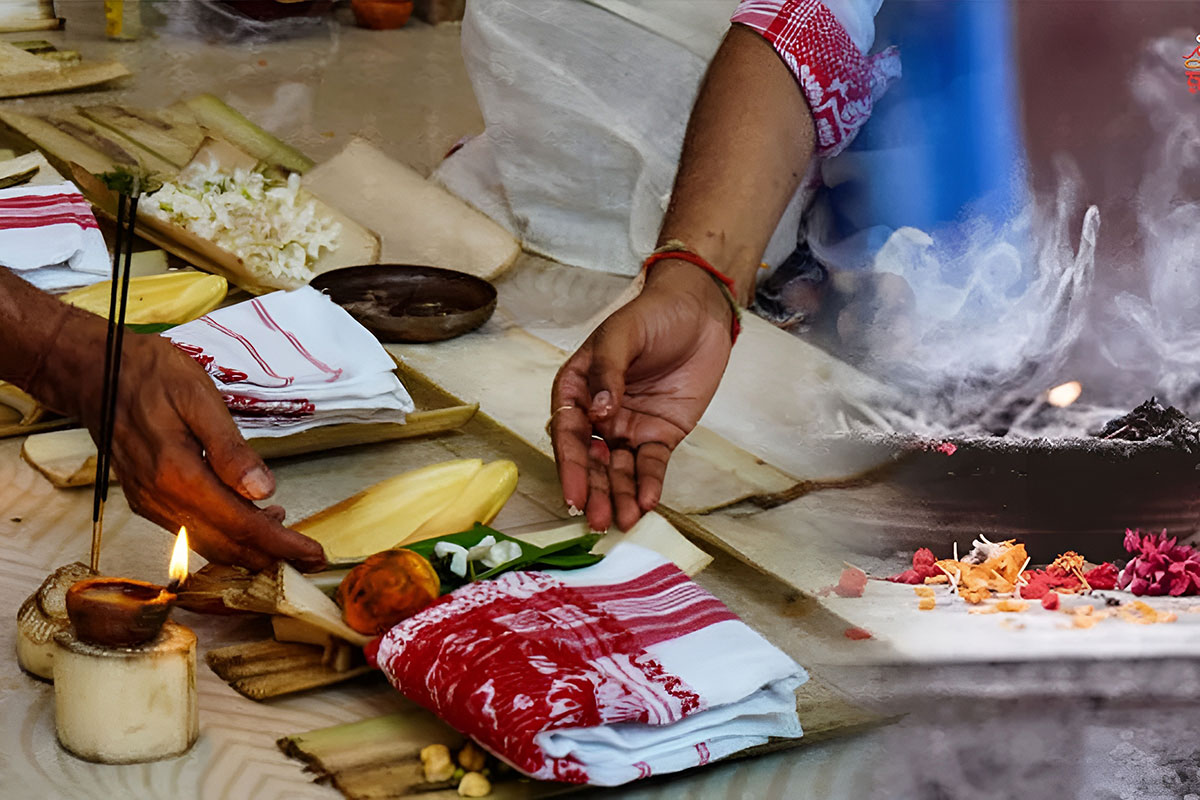
Terahvin Sanskar – तेरहवीं संस्कार
Terahvin Sanskar is a significant ritual performed on the thirteenth day after Antyeshti. It marks the formal completion of mourning and helps the departed soul attain peace and spiritual stability.
Importance of Terahvin Sanskar
In Sanatan Dharma, the thirteenth day symbolizes transformation and renewal. Terahvin Sanskar assists the soul in detaching from worldly ties and moving toward higher spiritual realms.
Rituals Performed During Terahvin
The rituals include pind daan, tarpan, havan, and feeding of Brahmins. Charity and prayers are offered for the peace and liberation of the soul.
Spiritual Completion of Antyeshti
Terahvin Sanskar is considered the final step of Antyeshti rituals. It ensures that all rites are properly completed according to tradition and the soul’s journey continues without obstacles.
Healing for the Family
For family members, Terahvin provides emotional closure and strength. It marks the return to daily life while honoring the departed with devotion.
- Performed on the thirteenth day after Antyeshti
- Marks completion of mourning rituals
- Includes pind daan, tarpan, havan, and charity
- Guides the soul toward peace and liberation
Understanding Terahvin Sanskar
Terahvin Sanskar is a post-death ritual performed on the thirteenth day to complete Antyeshti rites and guide the soul toward spiritual peace.
The thirteenth day represents spiritual completion and ensures the soul’s safe transition beyond earthly attachment.
Rituals include pind daan, tarpan, havan, charity, and feeding of Brahmins under priestly guidance.
Yes, it provides emotional closure, peace of mind, and spiritual reassurance to the grieving family.
